

15 Best Indoor Activities for 2 Year Old

Dennis Y
Two-year-olds are bundles of energy, curiosity, and determination. At this age, children develop rapidly, mastering new skills daily through play and exploration. When outdoor time isn't an option, keeping your toddler engaged indoors becomes both a challenge and an opportunity. The right indoor activities for 2 year old children support their physical, cognitive, and social development whilst keeping them entertained.
At Little Mowgli Nursery in Leyland, we understand how toddlers learn best through hands-on experiences. Our play-based approach creates environments where children explore, discover, and grow at their own pace. Whether you're a parent at home or an educator in a nursery setting, these 15 activities will help your two-year-old thrive indoors.
Why Indoor Play Matters for Toddlers
Before we explore specific activities, let's understand what makes indoor play so important. Two-year-olds are at a stage where they're refining motor skills, expanding their vocabulary, and learning to interact with others. According to developmental experts, children this age need both structured and unstructured playtime to support healthy growth.
Indoor play offers unique benefits:
- Safe spaces to practice new physical skills like jumping and climbing
- Opportunities for focused learning without outdoor distractions
- Weather-proof alternatives that maintain daily routines
- Controlled environments where adults can supervise closely
Let's break it down. Here are 15 engaging indoor activities for 2 year old children that tick all the developmental boxes.
1. Building Block Towers
Block play remains one of the most beneficial activities for toddlers. Two-year-olds can typically stack four or more blocks, and this simple act teaches spatial awareness, hand-eye coordination, and problem-solving.
Set out wooden blocks, soft foam blocks, or even cardboard boxes. Let your child build towers, knock them down, and rebuild. This cycle teaches cause and effect whilst developing fine motor control. You can count the blocks together, name colours, or create simple patterns to add learning layers.
2. Sensory Bins and Exploration
Sensory play engages multiple senses simultaneously, making it perfect for toddlers. Create a sensory bin using a large plastic container filled with rice, pasta, or dried beans. Hide small toys inside for your child to discover.
Add measuring cups, spoons, and small containers for scooping and pouring. This activity develops fine motor skills and introduces early maths concepts like volume and measurement. Always supervise closely to prevent choking hazards.
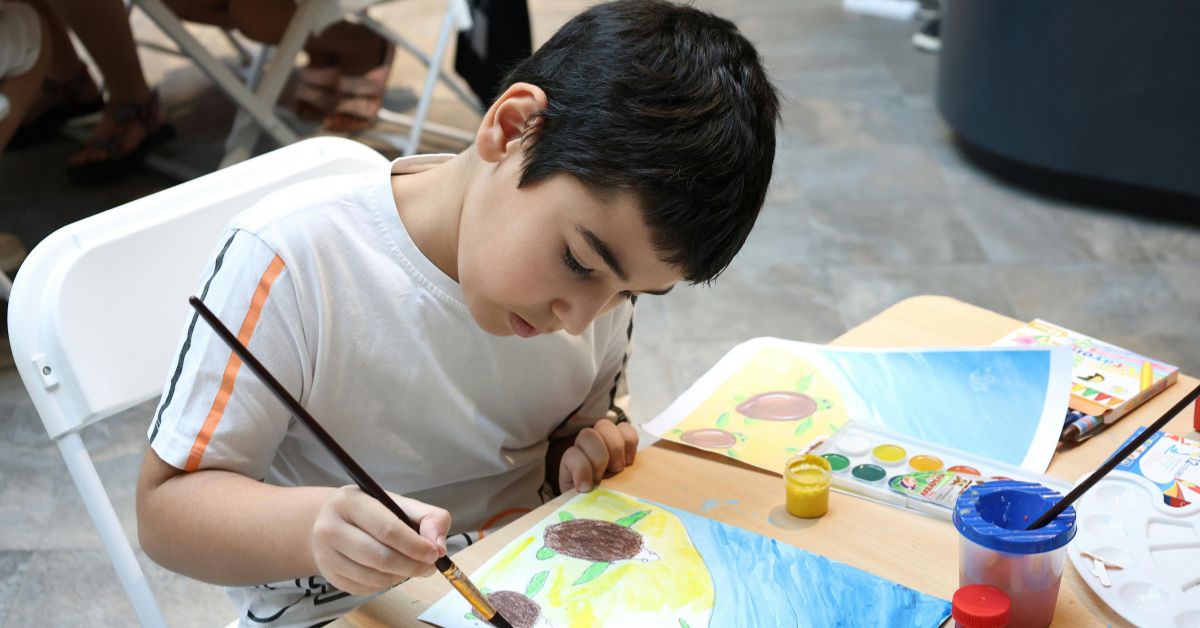
3. Arts and Crafts with Crayons
Drawing and scribbling help two-year-olds develop the pincer grasp needed for writing later. Offer chunky crayons or washable markers with large sheets of paper taped to a table or the floor.
Let your toddler explore freely without worrying about creating recognisable pictures. The process matters more than the product at this age. Name colours as they use them and describe what you see: "You're making big circles!"
4. Simple Puzzle Solving
Puzzles teach problem-solving and spatial reasoning. Two-year-olds typically manage wooden puzzles with 3-5 large pieces. Choose puzzles with knobs or handles for easier gripping.
Start with shape sorters and gradually introduce jigsaw-style puzzles. Sit with your child and talk through the process: "Where does the circle go?" This verbal guidance supports language development alongside cognitive skills.
5. Music and Movement Sessions
Turn on music and let your toddler dance, jump, and move freely. This burns energy whilst developing gross motor skills and rhythm awareness.
Introduce simple instruments like shakers, drums, or xylophones. At Little Mowgli Nursery, we incorporate music into daily routines because it supports language development and emotional expression. Sing familiar songs together, adding hand movements for extra engagement.
6. Pretend Play and Role-Playing
Imaginative play explodes at age two. Provide dolls, stuffed animals, play food, and simple dress-up clothes. Your child will begin mimicking daily routines like feeding dolls or putting them to bed.
This type of play teaches empathy, social skills, and language. Join in occasionally to model new scenarios, but give your toddler space to lead their own play too.
7. Indoor Obstacle Courses
Create safe climbing and crawling challenges using cushions, pillows, and furniture. Set up a course where your child climbs over pillows, crawls under tables, and balances on cushions placed on the floor.
This activity develops gross motor skills, spatial awareness, and confidence. Two-year-olds are mastering movements like climbing, so indoor courses provide safe practice opportunities. Always supervise to prevent injuries.
8. Water Play Activities
Fill a large plastic tub with a few inches of water and add cups, funnels, and floating toys. Water play fascinates toddlers and teaches concepts like pouring, floating, and sinking.
Place the tub on a towel in the bathroom or kitchen for easy cleanup. This indoor activity for 2 year old children can occupy them for extended periods whilst developing hand-eye coordination and understanding cause and effect.
9. Story Time and Book Exploration
Reading supports language development, concentration, and bonding. Two-year-olds can follow simple storylines and often remember favourite books word-for-word.
Let your child choose books and turn pages themselves. Point to pictures and ask questions: "Where's the cat?" Repeat favourite stories often, as repetition helps toddlers learn. Reading should be part of every day's routine.
10. Sorting and Matching Games
Sorting activities teach categorisation and early maths skills. Gather safe household items in different colours, sizes, or types. Ask your toddler to sort them into groups.
Use plastic bowls, wooden blocks, or soft toys. Sort by colour first, then gradually introduce sorting by size or type. This simple activity builds cognitive skills and keeps little hands busy.
11. Playdough Creations
Homemade or shop-bought playdough offers endless possibilities. Two-year-olds can roll, squash, poke, and shape dough, developing hand strength and creativity.
Add simple tools like cookie cutters, rolling pins, or plastic knives. Hide small objects in the dough for children to find. This open-ended activity can occupy toddlers for significant periods whilst building fine motor skills.
12. Hide and Seek Variations
Play simplified hide and seek games where you hide a toy whilst your child watches, then ask them to find it. This teaches object permanence, memory, and following directions.
You can also hide yourself in obvious places, letting your toddler discover you. These games promote problem-solving and spatial awareness whilst adding excitement to indoor time.
13. Sticker Play and Fine Motor Practice
Peeling and sticking stickers strengthens the muscles used for writing. Give your toddler stickers and paper, and let them create whatever they want.
This activity improves pincer grasp, hand-eye coordination, and concentration. Choose larger stickers that are easier to manipulate for younger two-year-olds.
14. Ball Games Indoors
Soft balls provide safe indoor play opportunities. Roll balls back and forth, practice throwing into baskets, or kick soft balls across the room.
Ball play develops gross motor skills, coordination, and understanding of spatial relationships. Two-year-olds are refining these movements, making ball activities both fun and developmentally appropriate.
15. Simple Cooking Activities
Involve your toddler in age-appropriate cooking tasks. They can wash vegetables, tear lettuce, stir ingredients, or place items on a baking tray.
Cooking teaches following instructions, measuring, and sequencing. It's also a practical life skill that builds independence and confidence. Always supervise closely and choose tasks without heat or sharp implements.
Creating Daily Routines Around Indoor Play
Consistency helps two-year-olds feel secure and understand expectations. Build these indoor activities for 2 year old children into predictable routines. For example, start mornings with active play like obstacle courses, transition to quieter activities like puzzles before lunch, and end the day with story time.
At Little Mowgli Nursery, our Tigers and Giraffes rooms provide structured yet flexible schedules where children engage in various activities throughout the day. This balance between active and quiet play supports optimal development.
Safety Considerations for Indoor Play
Safety always comes first when choosing indoor activities:
- Remove choking hazards and small objects from play areas
- Supervise water play constantly
- Check that climbing structures are stable and not too high
- Use non-toxic art supplies and playdough
- Create soft landing zones for active play
- Childproof the environment as skills advance
Balancing Screen Time and Active Play
Whilst screens can seem like easy entertainment, they shouldn't replace active play. Experts recommend no more than one hour of high-quality programming daily for two-year-olds, and always watch together rather than using screens as babysitters.
The activities listed here provide screen-free alternatives that actively engage your child's body and mind. When you do use screens, choose interactive educational content and discuss what you're watching together.
How Indoor Activities Support Development
Every activity mentioned serves multiple developmental purposes. Building blocks strengthen small muscles whilst teaching spatial concepts. Pretend play develops language and social skills. Even simple activities like sticker play prepare hands for writing.
Two-year-olds learn through repetition, so expect your child to want to repeat favourite activities. This repetition isn't boredom but rather how toddlers master new skills. What looks like simple play to adults is actually complex learning for children.
Adapting Activities for Individual Children
Remember that children develop at different rates. Some two-year-olds might excel at puzzles whilst others prefer physical activities. Follow your child's interests and adjust activities to match their skill level.
If an activity seems too challenging, simplify it. If your child masters it quickly, add complexity. The best indoor activities for 2 year old children are those that engage them at their current level whilst gently stretching their abilities.
Creating an Engaging Indoor Environment
You don't need expensive toys or elaborate setups. Simple household items work brilliantly for toddler activities. Cardboard boxes become houses or cars. Wooden spoons and pots become drums. Cushions transform into mountains to climb.
Rotate toys and activities to maintain interest. Put some away for a few weeks, then bring them out again. This makes "old" toys feel new and exciting.
Conclusion
Indoor play provides rich learning opportunities for two-year-olds when thoughtfully planned. These 15 activities support physical development, cognitive growth, language skills, and social-emotional learning through engaging, age-appropriate experiences.
The beauty of these indoor activities for 2 year old children lies in their simplicity. You don't need elaborate materials or special training. What matters most is your presence, encouragement, and willingness to follow your child's interests.
Whether you're implementing these ideas at home or in educational settings like our nursery in Leyland, remember that play is how toddlers make sense of their world. Every block stacked, every scribble made, and every pretend meal served builds foundations for future learning.
Ready to see how professional early years settings incorporate these activities into daily routines? Little Mowgli Nursery welcomes families from Leyland and surrounding areas to visit our Tigers and Giraffes rooms, where we create nurturing environments for children to explore, learn, and grow. Contact us to discover how our play-based approach supports your child's unique developmental journey.
Frequently Asked Questions
How long should indoor activities last for a 2-year-old?
Toddlers have short attention spans, typically 5-10 minutes for focused activities. However, open-ended play like blocks or pretend play can last longer as children engage and disengage naturally. Follow your child's lead rather than forcing them to continue when interest wanes. Offering several short activities throughout the day works better than expecting extended concentration.
What are the best indoor activities for rainy days?
Rainy days call for energy-burning options that work indoors. Obstacle courses using cushions and furniture, music and dance sessions, or water play in the bathroom can release pent-up energy. Combine active play with quieter activities like playdough, puzzles, or reading to balance the day. The key is maintaining routines even when weather keeps you inside.
How can I make indoor play more educational?
Educational doesn't mean formal lessons at this age. Talk during activities by naming colours, counting objects, and describing what you see. Ask open questions like "What happens if...?" or "Where does this go?" These conversations during play naturally build vocabulary, problem-solving, and critical thinking without feeling like work to your toddler.
Are two-year-olds too young for structured activities?
Two-year-olds benefit from both structured and unstructured time. Structured activities like guided art projects or specific games teach following directions and new skills. Unstructured free play encourages creativity, problem-solving, and independence. Aim for balance, offering guidance when helpful but allowing plenty of time for child-led exploration too.
How do I keep my 2-year-old engaged when I need to work?
Create independent play opportunities by setting up activities that don't require constant supervision. Sensory bins, building blocks, or simple puzzles allow toddlers to play nearby whilst you work. Rotate novel items to maintain interest. Accept that some mess is inevitable, and perfect concentration isn't realistic at this age. Short bursts of independent play are normal.
Leyland, PR25 2DY

.svg)