

Top 20 Drawing Ideas for Preschoolers to Spark Creativity and Fun

Dennis Y
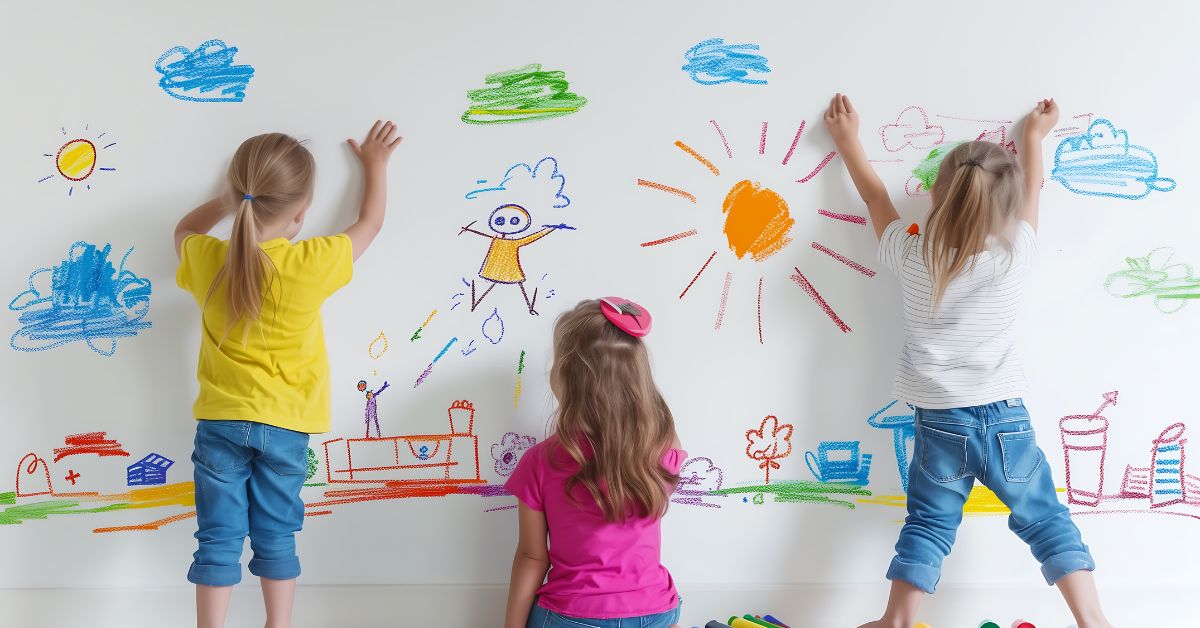
Drawing opens doors to imagination for young children. When preschoolers pick up crayons or markers, they explore colours, shapes, and self-expression. Parents and educators often search for fresh, age-appropriate drawing ideas for preschoolers that keep little ones engaged while supporting their development.
This guide shares 20 simple, delightful drawing activities perfect for children aged 3-5 years. Each idea builds confidence, fine motor skills, and artistic joy.
Why Drawing Matters for Preschoolers
Before we jump into the ideas, let's understand why drawing holds such value for young children.
Drawing helps preschoolers develop hand-eye coordination and pencil grip. These skills form the foundation for writing later. When children draw, they make choices about colours and shapes, which builds decision-making abilities.
Creative activities also support emotional expression. A child might not have words for their feelings yet, but they can show happiness through bright suns or process worries through scribbles.
At Little Mowgli Nursery, educators observe how drawing time becomes a natural opportunity for children to communicate, experiment, and grow.
Simple Shape-Based Drawing Ideas
1. Circle Creatures
Start with circles. Ask your child to draw one large circle, then turn it into something new. Add two dots for eyes, a curved line for a smile, and you have a happy face. Add ears and whiskers for a cat. Add petals around the edge for a flower.
This activity teaches that basic shapes can transform into countless creations.
2. Square Houses
Squares become houses with just a few additions. Draw a square, add a triangle roof on top, draw a rectangle door, and small square windows. Children can add chimneys, gardens, or family members standing outside.
3. Triangle Mountains
Triangles make perfect mountains. Draw several triangles in a row, colour them brown or grey, add a sun above, and perhaps some birds flying past. Children learn about composition while creating landscape scenes.
4. Rainbow Arches
Drawing arches teaches curve control. Start at one side of the paper, curve up and over, then back down. Repeat with different colours to make a rainbow. Add clouds at each end and rain drops below.
Nature-Inspired Drawing Ideas for Preschoolers
5. Handprint Trees
Trace around your child's hand and forearm. The fingers become branches, the palm becomes the trunk. Children can add green leaves, red apples, or autumn colours depending on the season.
6. Fingerprint Gardens
Press fingers into washable ink pads, then onto paper to create flower petals. Use a green marker to add stems and leaves. Each fingerprint becomes a unique blossom.
7. Snail Spirals
Spirals help children practice controlled circular movements. Draw a spiral shell, add a curved body, two antennae with dots on top, and a smiling face. Snails can be any colour imaginable.
8. Simple Butterflies
Draw two large loops on one side for wings, mirror them on the other side, add a body down the middle, and two antennae. Children can fill wings with patterns, dots, or stripes.
Animal Drawing Ideas
9. Smiling Fish
An oval becomes a fish body. Add a triangle tail, a curved fin on top, one big eye, and a smiling mouth. Draw bubbles around the fish and waves at the bottom.
10. Fluffy Sheep
Draw a cloud shape for the body, add four straight lines for legs, a small circle for the head, and two tiny ears. Cotton balls glued on top make the sheep extra fluffy.
11. Bouncing Bunnies
Two long ovals make bunny ears, a circle makes the head, a larger circle makes the body. Add whiskers, eyes, a pink nose, and a cotton ball tail.
12. Cute Ladybirds
A red circle becomes a ladybird. Draw a line down the middle, add black spots on each side, a small black circle for the head, six legs, and two antennae.
Food and Object Drawing Ideas for Preschoolers
13. Colourful Ice Lollies
Draw a long rectangle with a rounded top, add a stick at the bottom, and let children choose wild colour combinations. Stripes, dots, or swirls make each ice lolly special.
14. Smiling Suns
A large circle with triangles around the edge creates a sun. Add a happy face inside. This classic drawing never loses its appeal and appears in countless preschool artworks.
15. Balloon Bunches
Ovals tied together with strings floating upward make cheerful balloon clusters. Each balloon can be a different colour. Add a small hand at the bottom holding the strings.
16. Pizza Slices
A triangle becomes a pizza slice. Draw wavy cheese along the edges, add circles for pepperoni, rectangles for peppers, and let children create their dream toppings.
Transport and Adventure Drawings
17. Sailing Boats
A triangle sail sits on top of a curved boat bottom. Add waves underneath, a sun above, and perhaps a fish jumping nearby. Children love adding flags and windows.
18. Choo-Choo Trains
Rectangles and circles combine to make trains. A large rectangle forms the engine, smaller rectangles become carriages, circles become wheels. Add smoke puffs, windows, and track lines below.
19. Rocket Ships
A long triangle pointing upward becomes a rocket. Add a window near the top with an astronaut inside, fins at the bottom, and flames shooting downward during lift-off.
20. Rainbow Cars
Two circles for wheels, a rectangle body on top, windows, doors, and headlights create a car. Children can design race cars, family cars, or vehicles that don't exist yet.
Tips for Supporting Young Artists
Keep supplies accessible. A low shelf with paper, crayons, and washable markers invites spontaneous creativity.
Focus on process over product. Ask "Tell me about your drawing" rather than "What is it?" This respects their creative vision and encourages storytelling.
Display artwork proudly. A refrigerator gallery or dedicated wall space shows children their work has value.
Draw alongside them. When adults participate, children see drawing as a shared, joyful activity rather than a task.
At Little Mowgli Nursery, staff create welcoming art spaces where children feel free to experiment without pressure for perfection.
Creating a Drawing-Friendly Environment
Set up a dedicated art corner with washable surfaces. Cover tables with protective sheets and keep wipes nearby for quick clean-ups.
Rotate materials to maintain interest. One week offer chunky crayons, the next week try markers, then introduce coloured pencils as grip strength improves.
Provide variety in paper sizes. Large sheets encourage big arm movements, while smaller papers suit detailed work.
Natural light makes colours appear vibrant and reduces eye strain during longer drawing sessions.
Adapting Ideas for Different Skill Levels
Younger preschoolers (3 years) benefit from larger shapes and simple additions. A circle with two dots and a curve teaches foundational skills.
Older preschoolers (4-5 years) can handle more details. They might add patterns inside shapes, create scenes with multiple elements, or combine several ideas into one drawing.
Watch for frustration. If a child struggles, simplify the task or demonstrate slowly. Breaking complex drawings into small steps prevents overwhelm.
Celebrate effort regardless of outcome. "You worked really hard on those stripes" encourages persistence more than "That's pretty" which focuses only on results.
Connecting Drawing to Learning Goals
These drawing ideas for preschoolers support multiple developmental areas beyond creativity.
Counting opportunities arise naturally. "How many petals should our flower have?" combines art with early maths.
Colour recognition strengthens when children choose between options. "Should the fish be blue or orange?"
Vocabulary expands through art discussions. Words like "curve," "diagonal," "overlapping," and "background" enter conversations organically.
Following instructions improves when children complete step-by-step drawing activities, building skills needed for school readiness.
The website Little Mowgli Nursery incorporates such activities into daily routines, understanding that play-based learning through art creates confident, capable children.
When to Provide Help and When to Step Back
Preschoolers need space to explore independently, but they also need support when genuinely stuck.
Offer help when a child asks or shows clear frustration. Demonstrate a technique once, then let them try.
Step back when they're deeply engaged, even if the result looks different from your vision. Their version matters most.
Avoid correcting or redrawing their work. Comments like "Let me fix that" diminish confidence and ownership.
Ask permission before adding to their creation. "Would you like me to show you how I draw eyes?" respects their autonomy.
Moving Forward with Creative Confidence
These 20 drawing ideas for preschoolers offer starting points, not rigid instructions. Each child will interpret them differently, adding personal touches that make every creation unique.
Remember that the goal isn't producing perfect pictures. Young children learn through experimentation, repetition, and play. Some days they'll draw enthusiastically, other days they'll show little interest. Both responses are completely normal.
Keep offering opportunities without pressure. Stock supplies, create inviting spaces, and participate with genuine interest. Your support matters more than any specific technique or outcome.
Whether at home or in settings like Little Mowgli Nursery, drawing gives preschoolers tools for self-expression, problem-solving, and joy. These early artistic experiences build foundations that extend far beyond childhood, fostering creativity that lasts a lifetime.
FAQs
What materials work best for preschool drawing activities?
Chunky crayons, washable markers, and large sheets of paper suit preschoolers best. These tools accommodate developing fine motor skills and make gripping easier. Avoid materials that require excessive pressure or precise control. Washable options reduce stress about mess and allow freedom to experiment.
How long should drawing activities last for young children?
Most preschoolers concentrate for 10-15 minutes on structured drawing activities. Follow their lead rather than setting strict time limits. Some children will draw happily for 30 minutes while others prefer shorter bursts. Flexibility keeps the experience positive and prevents frustration or boredom.
Should I correct my preschooler's drawings?
No, avoid correcting preschool artwork. Children this age draw to explore and express themselves, not to create realistic images. Corrections can damage confidence and reduce their willingness to try new things. Instead, ask questions about their work and celebrate their creative choices and effort.
How can I encourage a reluctant preschooler to draw?
Start by drawing together without expectations. Make silly doodles, play drawing games, or let them watch you create. Offer interesting materials like coloured paper or new crayons. Some children prefer painting or sculpting, so explore different art forms to find what sparks their interest.
What if my child only wants to scribble?
Scribbling represents an age-appropriate stage of artistic development. These marks build the motor control needed for controlled drawing later. Provide plenty of opportunities to scribble freely. As hand strength and coordination improve, recognisable shapes will naturally emerge without pressure or instruction.
Leyland, PR25 2DY

.svg)