

How to Teach Reading to Preschoolers: A Research-Based Guide for Parents and Educators

Dennis Y
Teaching reading to young children can feel overwhelming. You watch your preschooler flip through picture books and wonder when they'll start recognizing actual words. The good news? Research shows that teaching reading to preschoolers isn't about drills and flashcards. It's about building the right foundations through play, conversation, and shared experiences.
At Little Mowgli Nursery, we understand that children from 3 months onwards begin developing literacy skills long before they can read a single word. This guide will walk you through the science-backed methods that work for preschoolers, with practical activities you can start using today.
Understanding How Preschoolers Learn to Read
Before diving into methods, let's clarify what "teaching reading" means for preschoolers. Young children aren't sitting down with chapter books. Instead, they're building pre-reading skills that will make learning to read easier when formal instruction begins in primary school.
Reading requires three core skill sets, according to research from Royal Holloway University, the University of Oxford, and Macquarie University. Children need to crack the alphabetic code through phonics, develop fluent word recognition, and build text comprehension. For preschoolers, the focus is on laying groundwork in two areas: phonemic awareness and vocabulary.
Building Phonemic Awareness Through Play
Phonemic awareness is the ability to hear, identify, and manipulate individual sounds in spoken words. Research from the National Reading Panel found this skill to be one of the strongest predictors of later reading success.
Here's what matters: preschoolers don't need to know letter names to work on phonemic awareness. This is purely about sounds. A child who can hear that "cat" and "hat" rhyme, or that "sun" starts with the /s/ sound, is developing the listening skills they'll need to connect letters to sounds later.
Activities That Work
Rhyming games during transitions
Turn routine moments into learning opportunities. While walking to the car, play "I Spy Rhymes." Say, "I spy something that rhymes with bee" (tree). Start with obvious rhymes and objects your child can see.
Clapping out syllables in names
At snack time, clap out the syllables in everyone's name. "Sa-rah" gets two claps. "Ben" gets one. This helps children understand that words are made up of smaller parts. According to research published in Reading Rockets, this awareness helps children break down words when they begin reading.
Sound treasure hunts
Give your preschooler a basket and ask them to find three things that start with the /b/ sound. They might bring you a book, a ball, and a banana. This game makes sound recognition physical and fun.
Singing repetitive songs
Songs like "Apples and Bananas" or "Willaby Wallaby Woo" naturally teach children to play with sounds. The repetition and silly variations help them hear how changing one sound creates a different word.
Start simple. Focus on rhyming and beginning sounds for younger preschoolers (ages 3-4). As children approach 4-5, you can introduce ending sounds and practice blending simple sounds together.
Reading Aloud: The Most Powerful Tool
If you do only one thing to teach reading to preschoolers, make it reading aloud. Research consistently shows that reading to children develops vocabulary, comprehension, and a love of books. A study in the Early Childhood Education Journal found that structured, interactive read-alouds significantly improved preschoolers' vocabulary knowledge.
But here's the thing: simply reading words on a page isn't enough. The quality of interaction matters more than the quantity of books.
Making Read-Alouds Interactive
Ask open-ended questions
Instead of "What colour is the dog?" ask "What do you think will happen next?" or "Why do you think the character did that?" Research from the National Association for the Education of Young Children shows that this analytical talk builds comprehension skills.
Define new words naturally
When you encounter an unfamiliar word, pause briefly. If the book says "The boy tumbled down the hill," you might say, "Tumbled means he rolled and fell." Then continue reading. Don't turn every page into a vocabulary lesson, but spotlight 2-3 new words per book.
Point to pictures while you read
This helps children connect spoken words to visual representations. When you read "The red bird flew away," point to the bird. This builds comprehension and keeps younger children engaged.
Re-read favourite books
Children benefit enormously from repetition. Research from Reading Rockets indicates that hearing the same story multiple times helps children internalize vocabulary, story structure, and language patterns. When your child asks for the same book for the tenth time, that's their brain doing exactly what it needs to do.
At Little Mowgli Nursery in Leyland, we incorporate daily read-aloud sessions where children can explore books that reflect their interests and cultural backgrounds. This exposure to rich language in meaningful contexts builds the vocabulary foundation they'll need for reading.
Developing Vocabulary Through Rich Conversations
Vocabulary is the other pillar for teaching reading to preschoolers. The more words a child knows, the easier reading becomes. When children encounter written words they've heard before, they can decode and understand them more quickly.
Research published by the National Institute for Literacy shows that vocabulary instruction should begin in preschool and continue throughout primary years. Here's how to build your child's word bank.
Everyday Vocabulary Building
Narrate your day
As you cook dinner, talk through what you're doing. "I'm going to dice these carrots. Dice means cutting them into small cubes. Can you see how tiny these pieces are?" This natural exposure to language is powerful.
Expand on what your child says
When your child says "big truck," you might respond with "Yes, that's an enormous lorry carrying building materials." You're validating what they said while introducing new vocabulary in context.
Use specific words
Instead of "nice weather," try "sunny afternoon" or "breezy morning." Instead of "walked," use "strolled" or "marched." This exposes children to the rich variety of English vocabulary.
Play word games
During car journeys, play category games. "Let's name all the animals we can think of." Start with common ones (dog, cat) and gradually introduce less familiar animals (badger, otter). Research from North Carolina's Department of Public Instruction suggests these games build semantic understanding.
Introducing Letters and Sounds
While phonemic awareness focuses on sounds, preschoolers can also start learning letter names and the sounds they make. Research from the Illinois Early Learning Project notes that teaching letter sounds is just as important as teaching letter names at this stage.
Letter Introduction Strategies
Start with meaningful letters
Begin with the letters in your child's name. Point out these letters in books and on signs. "Look, that shop sign has an S just like your name starts with!"
Connect letters to sounds
When showing a letter, always include the sound. "This is the letter B, and it says /b/ like in ball and bear." Avoid saying "B makes the buh sound" because that adds an extra vowel sound children don't need.
Use multi-sensory approaches
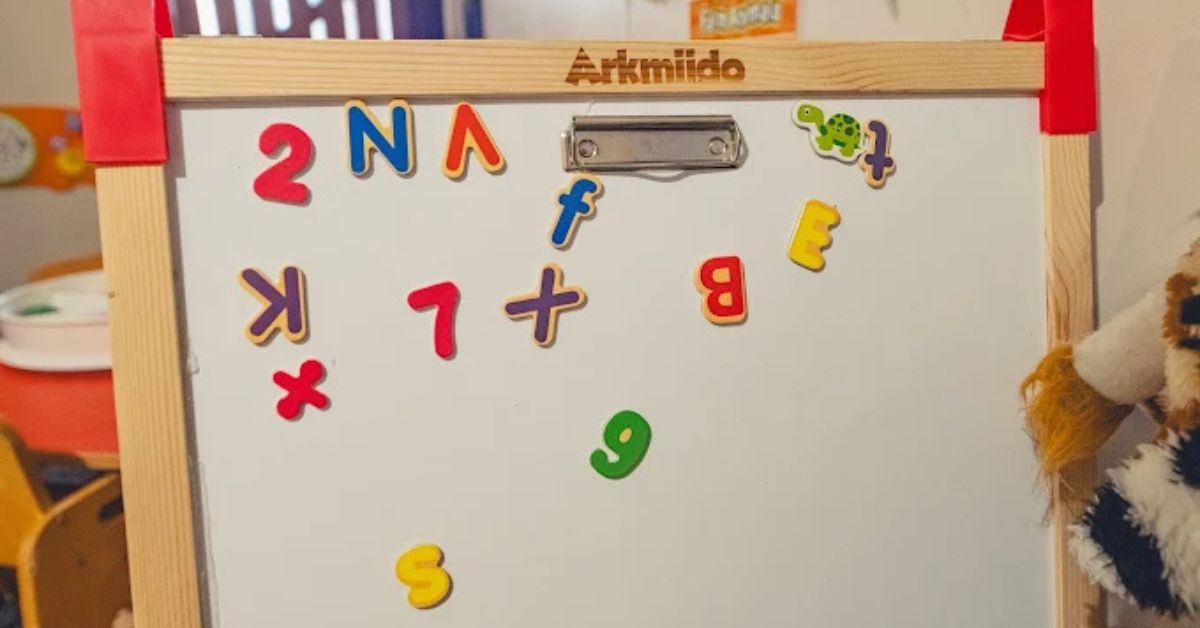
Let children trace letters in sand, form them with playdough, or paint them with water on the pavement. The tactile experience helps memory formation.
Keep it playful
Alphabet songs, letter puzzles, and picture books featuring ABC themes make learning letters feel like play, not work. According to research on early literacy development, this playful approach keeps children motivated.
Don't rush. By age 5, most children know some letter names and sounds, but they don't need to know all 26 letters before starting primary school. Focus on making letter learning fun and relevant.
Creating a Print-Rich Environment
Children who grow up surrounded by print develop stronger literacy skills. Research published in Reading Rockets emphasizes that print-rich environments motivate children to engage with reading and writing.
Setting Up Your Space
Make books accessible
Keep books at your child's eye level in multiple rooms. A basket of board books in the living room, picture books near their bed, and perhaps a few in the car all signal that books are an important part of life.
Label objects
Create simple labels for items around your home. Put "door," "window," and "table" labels where children can see them. This shows that written words represent real objects.
Provide writing materials
Keep crayons, markers, and paper readily available. When children want to "write" shopping lists or birthday cards, they're exploring how writing works, even if their letters are just scribbles. Research shows that this invented spelling actually supports reading development.
Display environmental print
Point out print in the world: shop signs, food labels, street names. "Look, that sign says 'STOP.' Can you see any other words you recognize?"
Practical Daily Routine for Teaching Reading to Preschoolers
Here's what a literacy-rich day might look like for a preschooler:
Morning: During breakfast, practice a quick rhyming game. "I'm eating toast. What rhymes with toast?" Encourage silly answers.
Mid-morning: Spend 10-15 minutes reading together. Choose a new book or re-read a favourite. Ask 2-3 questions about the story.
Afternoon: During play, incorporate letters or sounds naturally. "You're building with blocks. Block starts with /b/. Can you think of other words that start with /b/?"
Evening: Another read-aloud session before bed. This one can be purely for enjoyment without stopping for questions.
The key is consistency without pressure. Research indicates that brief, regular exposure works better than marathon sessions. At Little Mowgli Nursery, we integrate these literacy activities throughout our daily routine, making learning feel natural rather than forced.
When Preschoolers Struggle
Some children take longer to develop pre-reading skills. If your 4-year-old can't rhyme or recognize any letters, don't panic. Development varies widely at this age.
Watch for these signs that might warrant extra support:
- Difficulty hearing or producing speech sounds
- No interest in books after repeated exposure
- Unable to recognize their own name by age 4
- Difficulty following simple verbal instructions
If you're concerned, speak with your child's nursery teacher or health visitor. Early intervention helps, and many children simply need more time and practice with foundational skills.
Supporting Bilingual Learners
If your family speaks multiple languages, you might wonder how this affects learning to read in English. Research shows that bilingualism is an asset, not an obstacle. Children who speak multiple languages often develop stronger phonemic awareness because they're already switching between different sound systems.
Read books in both languages. Sing songs in both languages. The literacy skills children develop in one language transfer to others. Research from the National Association for the Education of Young Children confirms that maintaining home language supports overall literacy development.
The Role of Technology
Should preschoolers use educational apps? Research is mixed, but most experts agree that face-to-face interaction is best for this age group. If you do use technology, choose apps that require interaction rather than passive viewing, and always co-view or co-play.
Screen time should never replace reading aloud, conversation, or hands-on play. These activities build the social and cognitive skills that support reading development in ways technology cannot replicate.
What Not to Do
As you teach reading to preschoolers, avoid these common mistakes:
Don't force formal lessons
Sitting a 3-year-old down for structured reading instruction usually backfires. Keep activities playful and brief.
Don't push too hard
If your child resists, back off. Research shows that negative associations with reading can persist for years. The goal is building enthusiasm, not checking off milestones.
Don't compare children
Your neighbor's 4-year-old might recognize 50 words while yours knows none. That's normal. Development timelines vary, and pushing faster doesn't lead to better long-term outcomes.
Don't skip the sounds
Teaching letter names without sounds leaves children unable to decode words. Always include the phonetic sound.
Building a Foundation for Life
Teaching reading to preschoolers isn't about creating early readers. It's about building the listening skills, vocabulary, and love of language that make learning to read easier and more enjoyable when formal instruction begins.
The activities in this guide reading aloud, playing sound games, having rich conversations create neural pathways that support literacy development. Research from multiple studies confirms that these early experiences predict reading success in primary school and beyond.
Start where you are. Pick one or two strategies from this guide and build them into your routine. Notice what your child enjoys and do more of that. Every conversation, every rhyme, every book you share together contributes to your preschooler's reading journey.
At Little Mowgli Nursery in Leyland, Lancashire, we partner with families to create these literacy-rich experiences daily. Our nature-inspired approach combines outdoor exploration with language development, helping children build the curiosity and communication skills that support reading. Whether your child is 3 months or 4 years old, it's never too early or too late to start building these foundations.
Remember: preschoolers learn through play, relationship, and discovery. Keep it fun, keep it consistent, and trust the process. You're not just teaching reading, you're opening doors to lifelong learning.
Frequently Asked Questions
What age should I start teaching my preschooler to read?
You can begin building pre-reading skills from infancy through talking, singing, and reading aloud. Formal letter recognition typically starts around age 3-4, but focus on sounds and vocabulary first. Research shows that pushing formal reading before children are developmentally ready can create anxiety without improving long-term outcomes. Follow your child's interest and developmental cues.
How long should I spend each day teaching reading to preschoolers?
Quality matters more than quantity. Three 10-minute sessions spread throughout the day work better than one 30-minute session. Reading aloud for 15-20 minutes daily, combined with brief sound games during transitions, provides plenty of exposure. Research indicates that brief, frequent literacy activities integrated into daily routines produce better results than structured lessons for preschoolers.
My preschooler isn't interested in books. What should I do?
Try different types of books non-fiction about topics they love often engages reluctant readers better than stories. Make reading physical by acting out stories or using puppets. Visit libraries to choose their own books. Read in different locations like under blankets or outside. Research shows that motivation and enjoyment are better predictors of reading success than early skill acquisition.
Should I teach my preschooler to write letters while teaching reading?
Yes, but keep expectations appropriate. Preschoolers should have access to writing materials and see adults writing. Their attempts will be messy, and that's perfect. Research from the National Reading Panel shows that invented spelling supports reading development. Don't focus on perfect letter formation; focus on understanding that letters represent sounds and words carry meaning.
How do I know if my preschooler is ready for formal reading instruction?
Most children aren't ready for formal reading instruction until age 5-6. Signs of readiness include recognizing most letters and their sounds, ability to rhyme and identify beginning sounds, sustained interest in books, and understanding that print carries meaning. Research consistently shows that starting formal instruction too early provides no long-term advantage and may decrease motivation. Build foundations first.
Leyland, PR25 2DY

.svg)